
San’in (山陰)
A name that quietly holds a landscape.
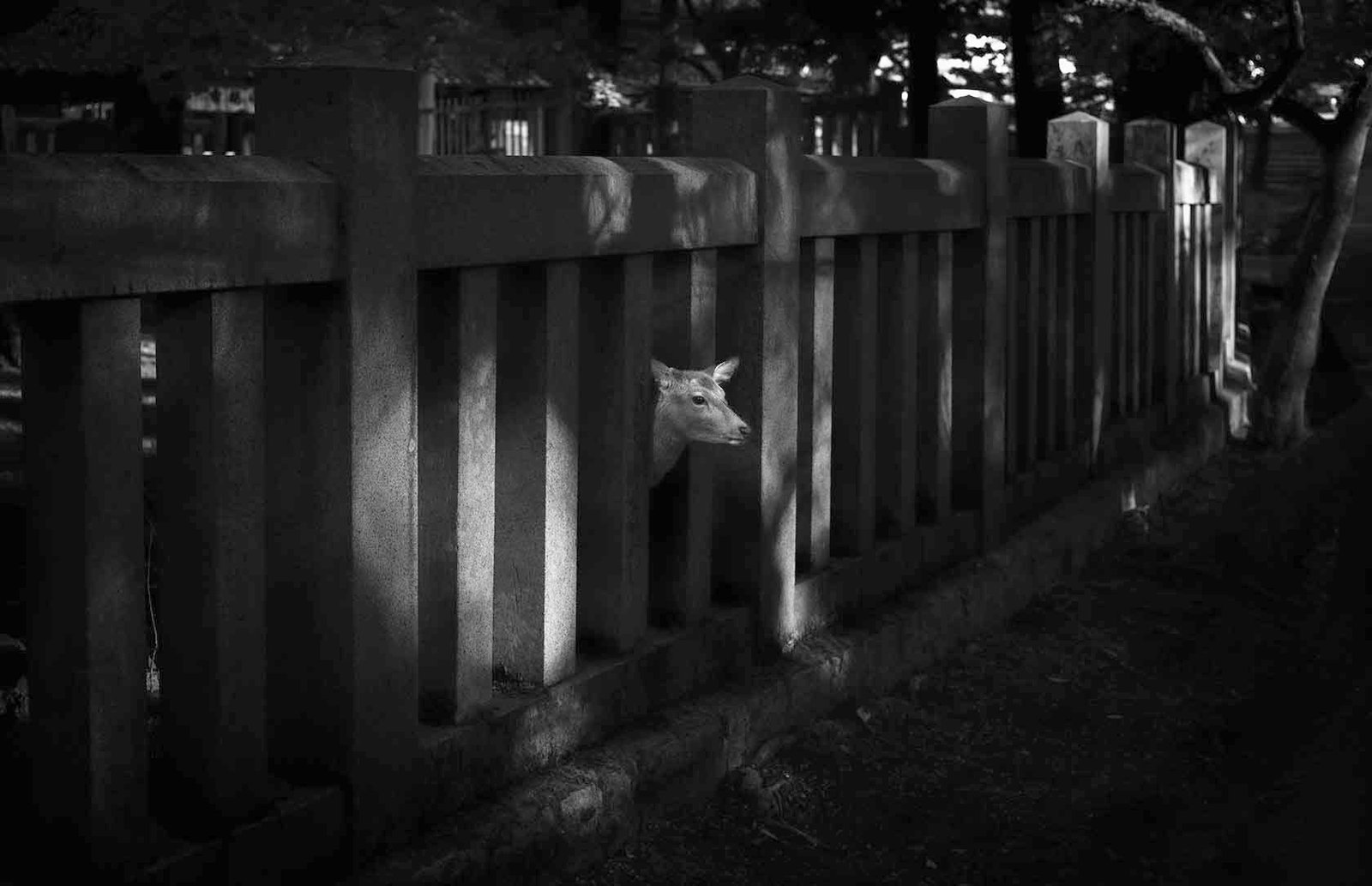
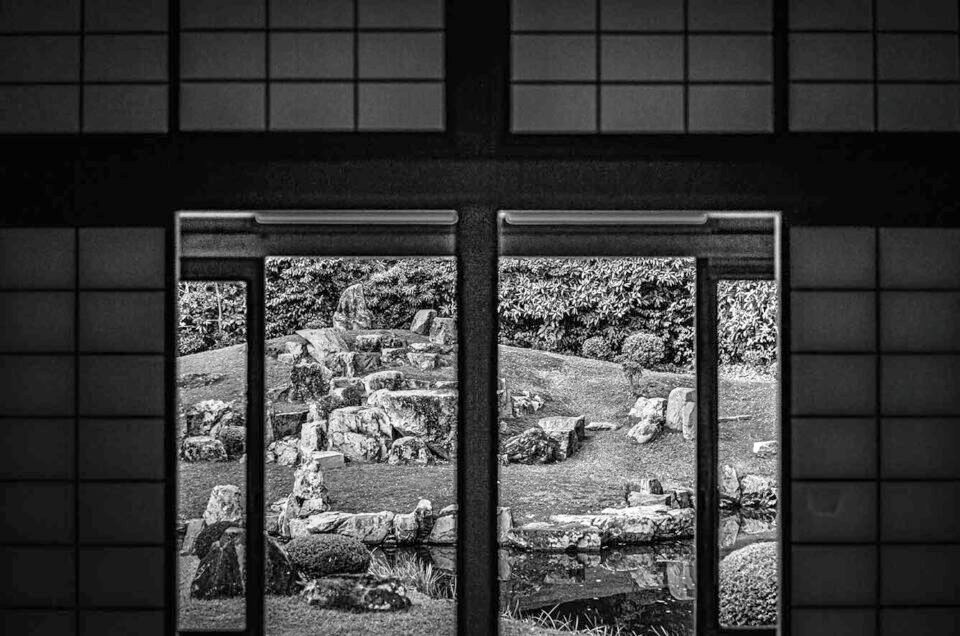
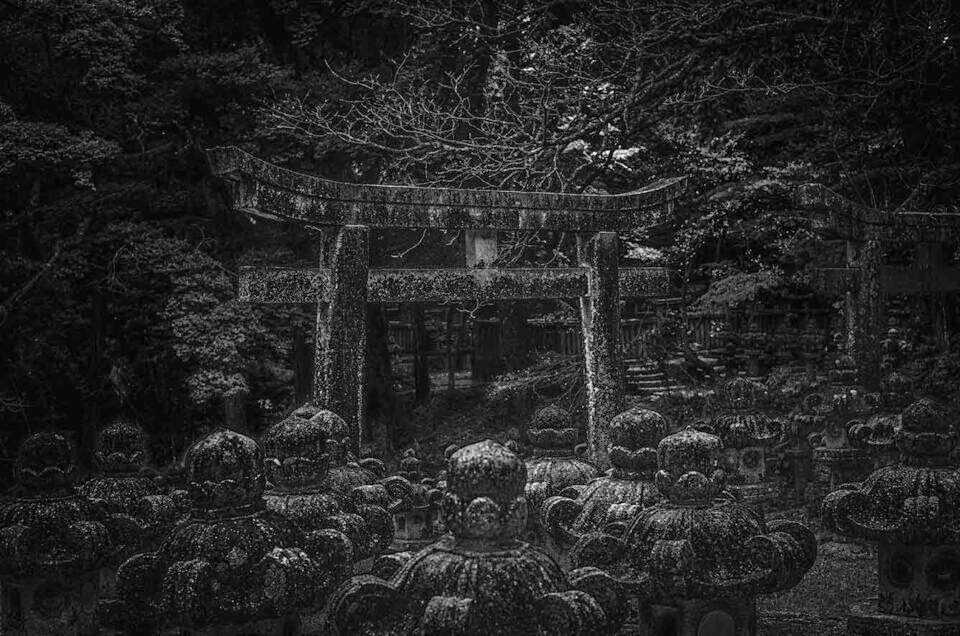
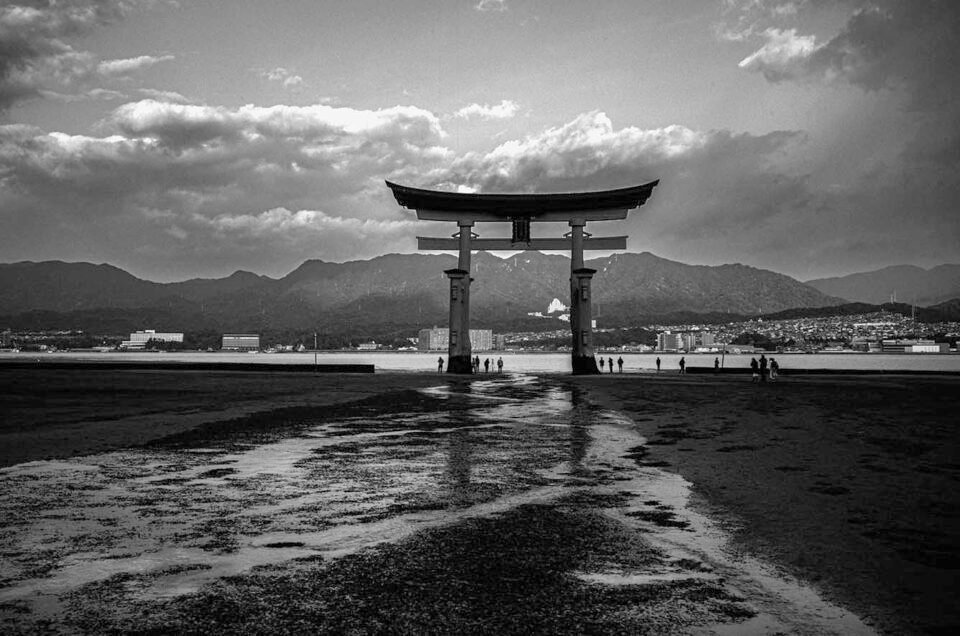
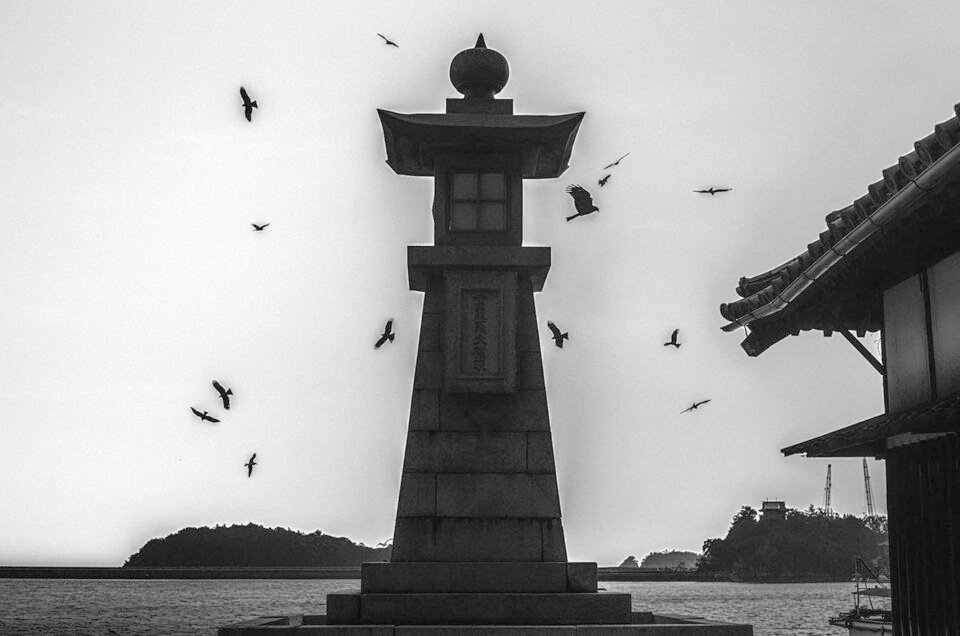
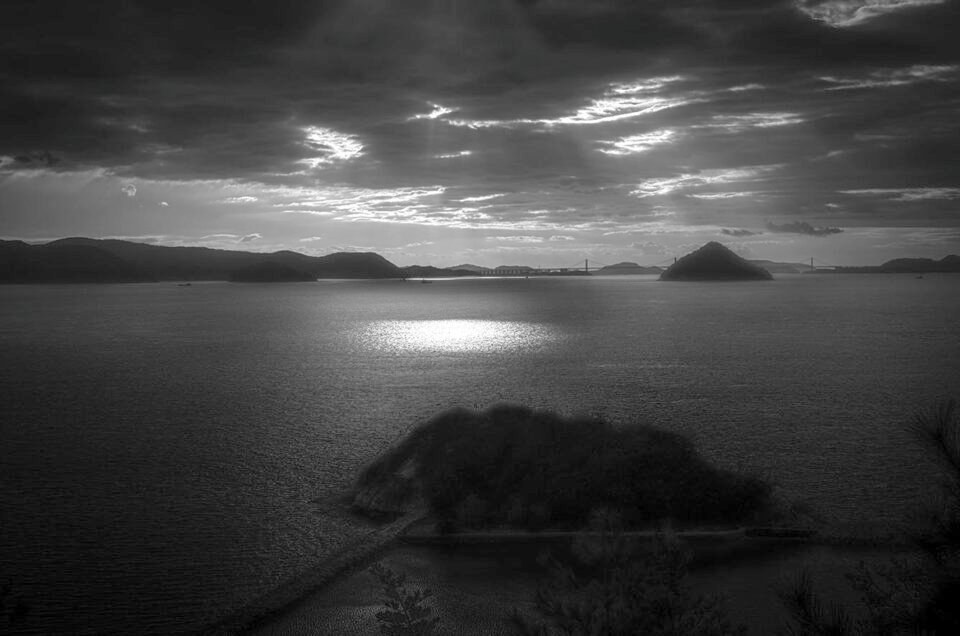
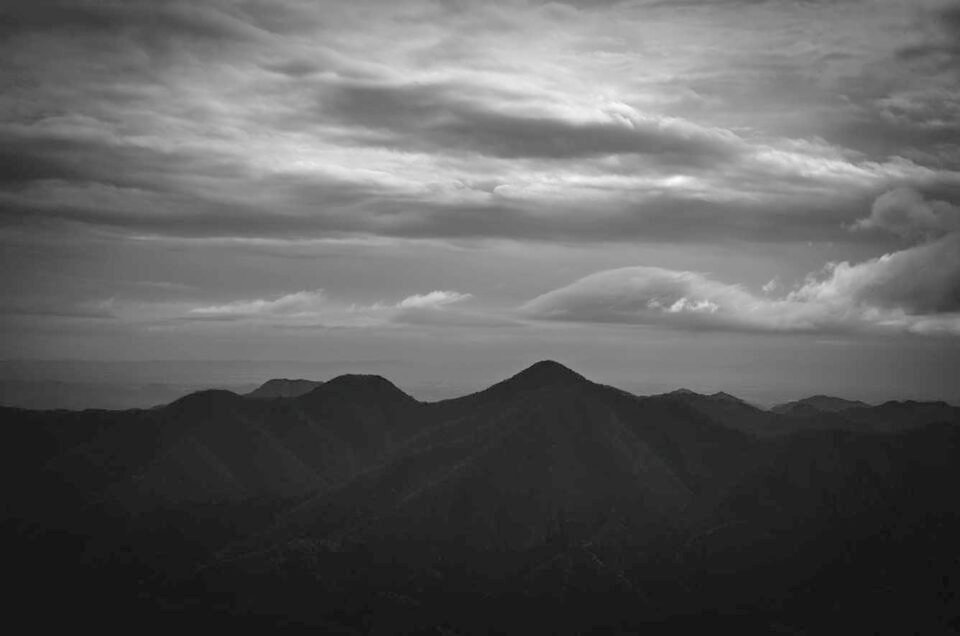
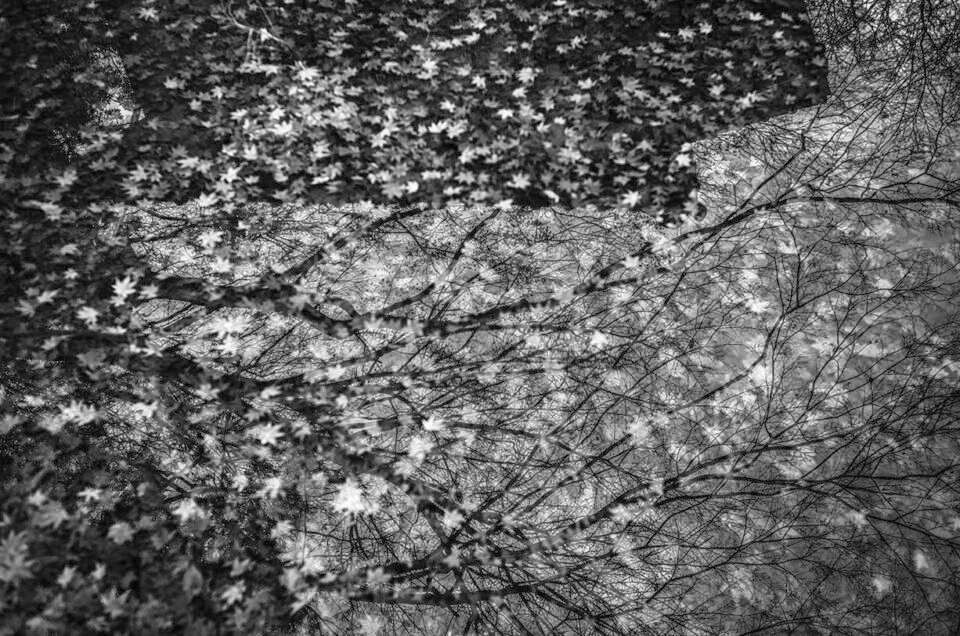
To arrive later, slower. To let the terrain reveal itself.
To travel, for us, begins in a similar place: not with a destination, but with a disposition. A willingness to move along the shadow side of things. To arrive later, slower. To let the terrain — human or geographic — reveal itself without forcing its light.
In the closing months of 2024, we crossed Japan without a fixed route, following small roads, local trains, and the incidental logic of each day.
The journey unfolded through what was available: a bus that appeared, a conversation that redirected us, a village that asked us to stay longer than planned. Movement became less about distance and more about attention.
1. A quiet framework
San’in offered a quiet framework for this way of traveling. Not as a place to document, but as a space to inhabit. Its mountains, its coastline, its subdued winter light — all seemed to insist on patience. On looking again. On accepting that what matters does not always present itself immediately.
2. Black and White
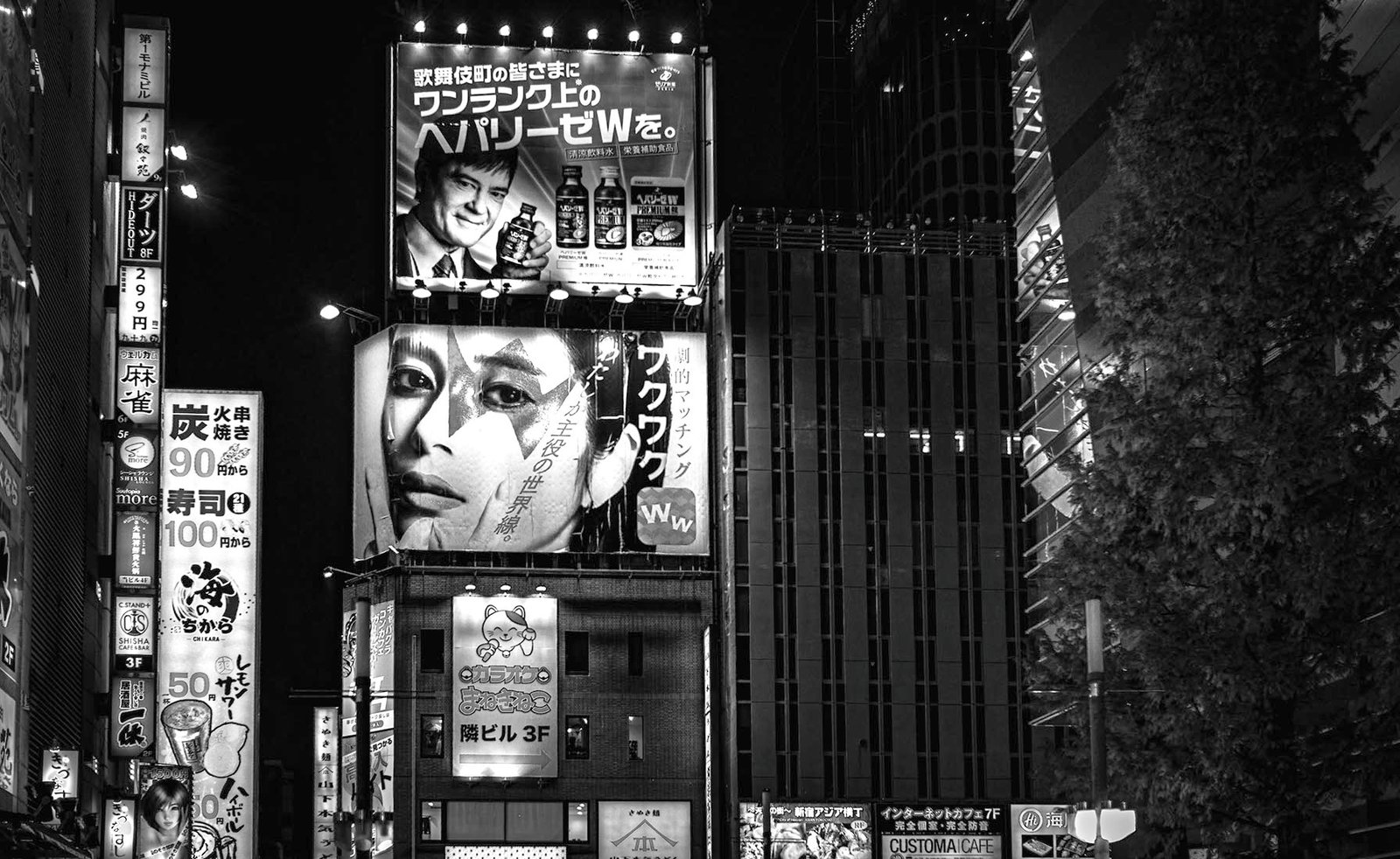
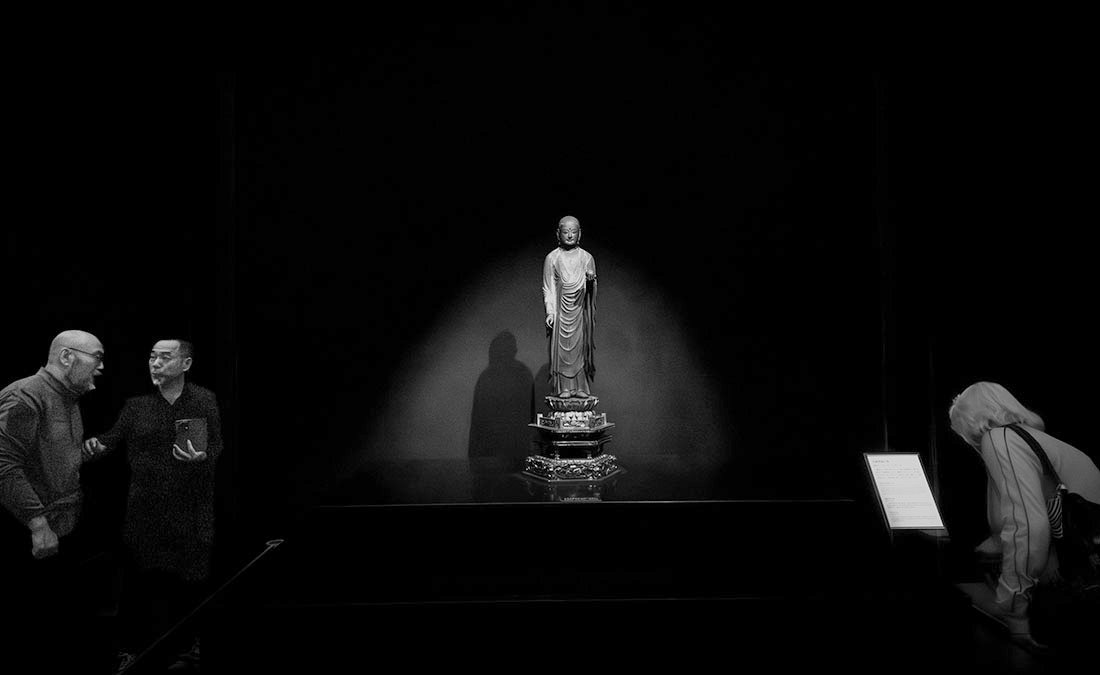
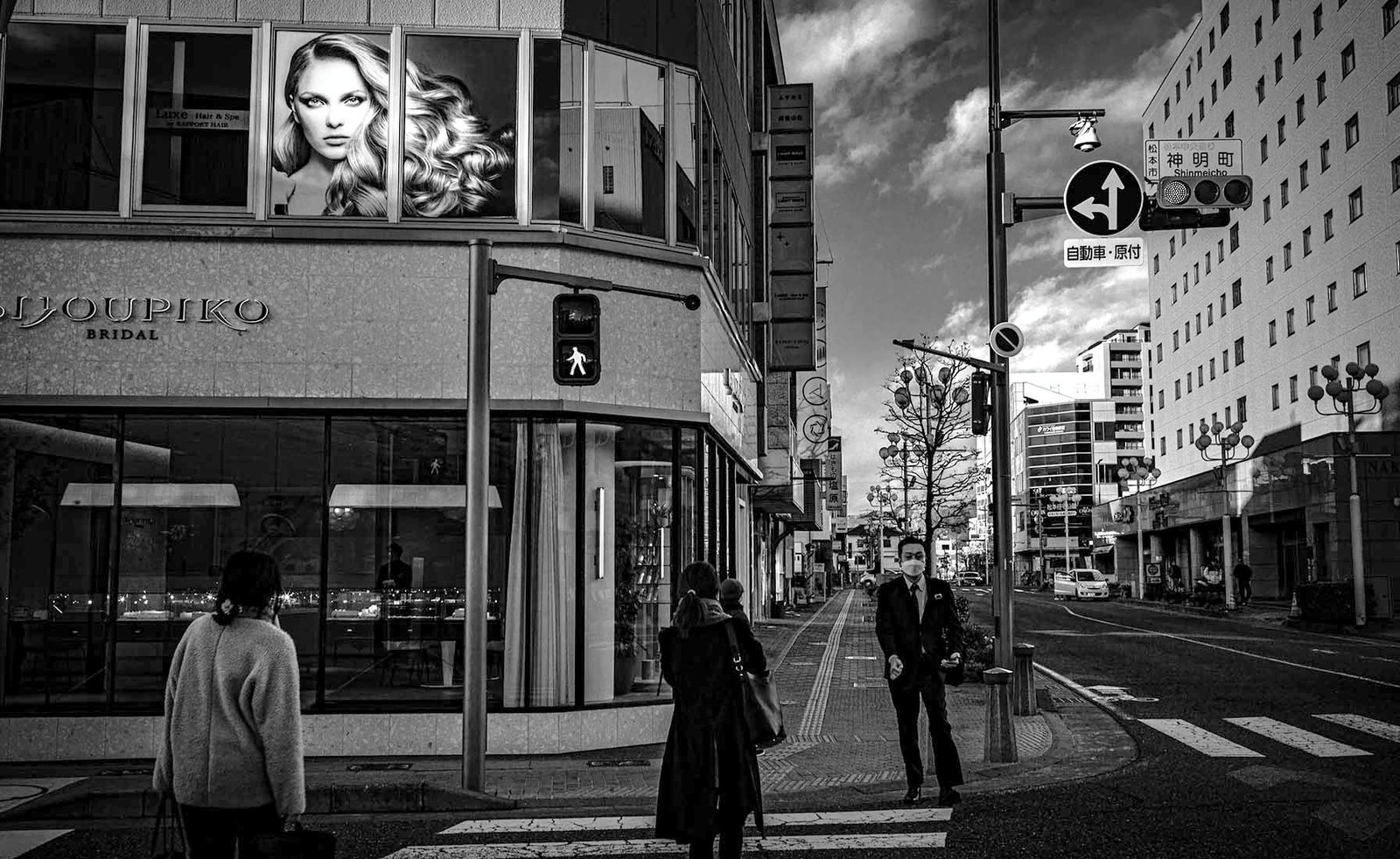
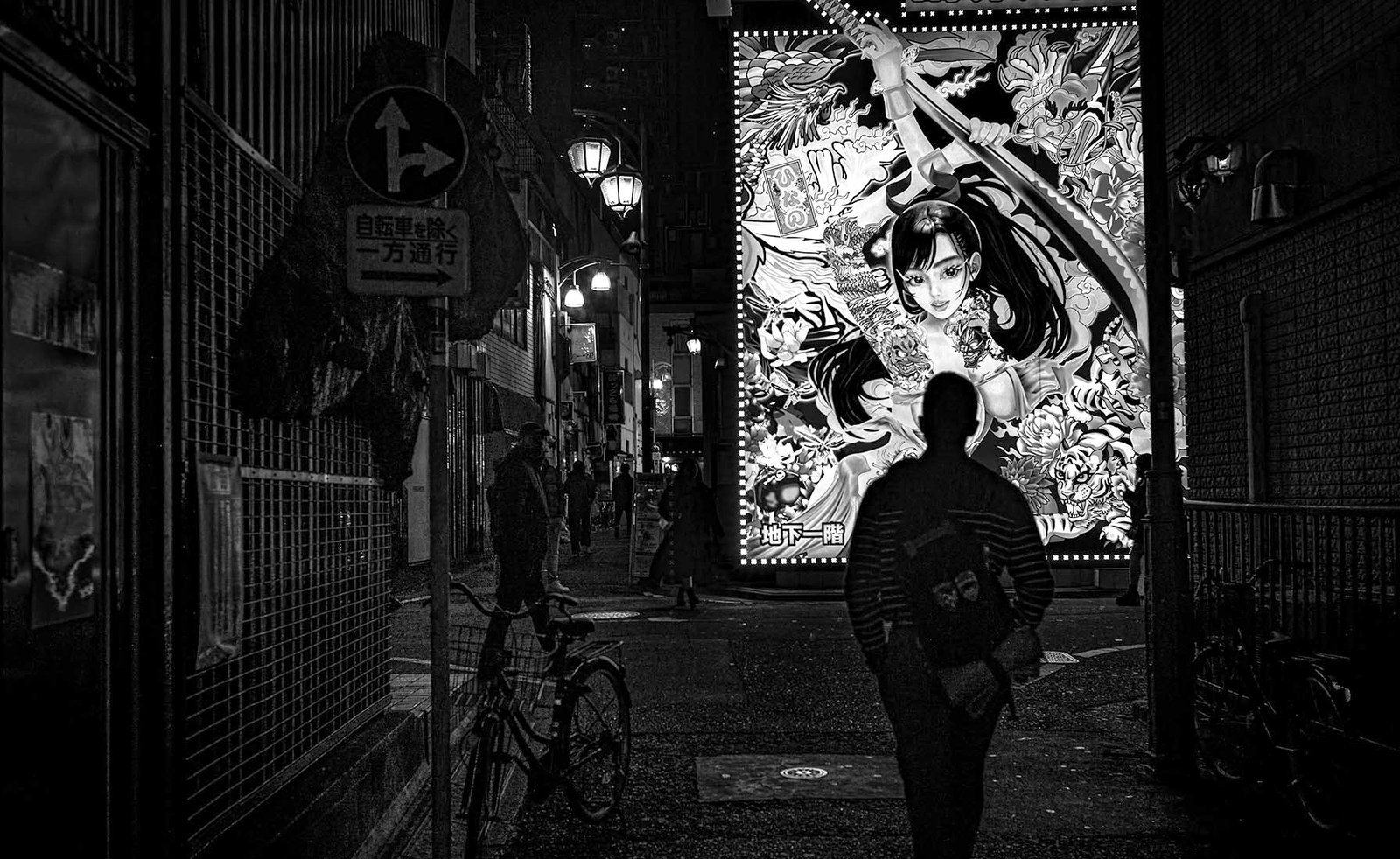
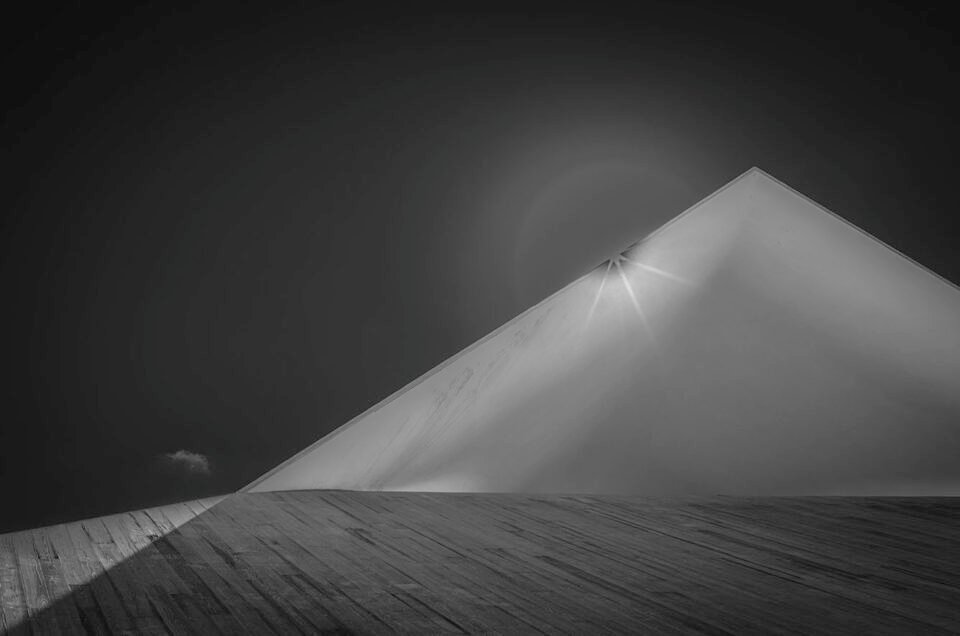
Working in black and white was not a stylistic decision, but a necessity. It aligned with the pace of the journey and with the nature of what we were encountering. Light here is never absolute; it is always in relation to shadow. Forms emerge gradually, edges dissolve, contrasts breathe.
3. An act of calibration
Photography, like travel, becomes an act of calibration. Moving through a scene is not so different from navigating the tonal range of an image. We find ourselves constantly adjusting — opening or closing, allowing more light or holding it back — searching for balance while being drawn, instinctively, to the extremes.
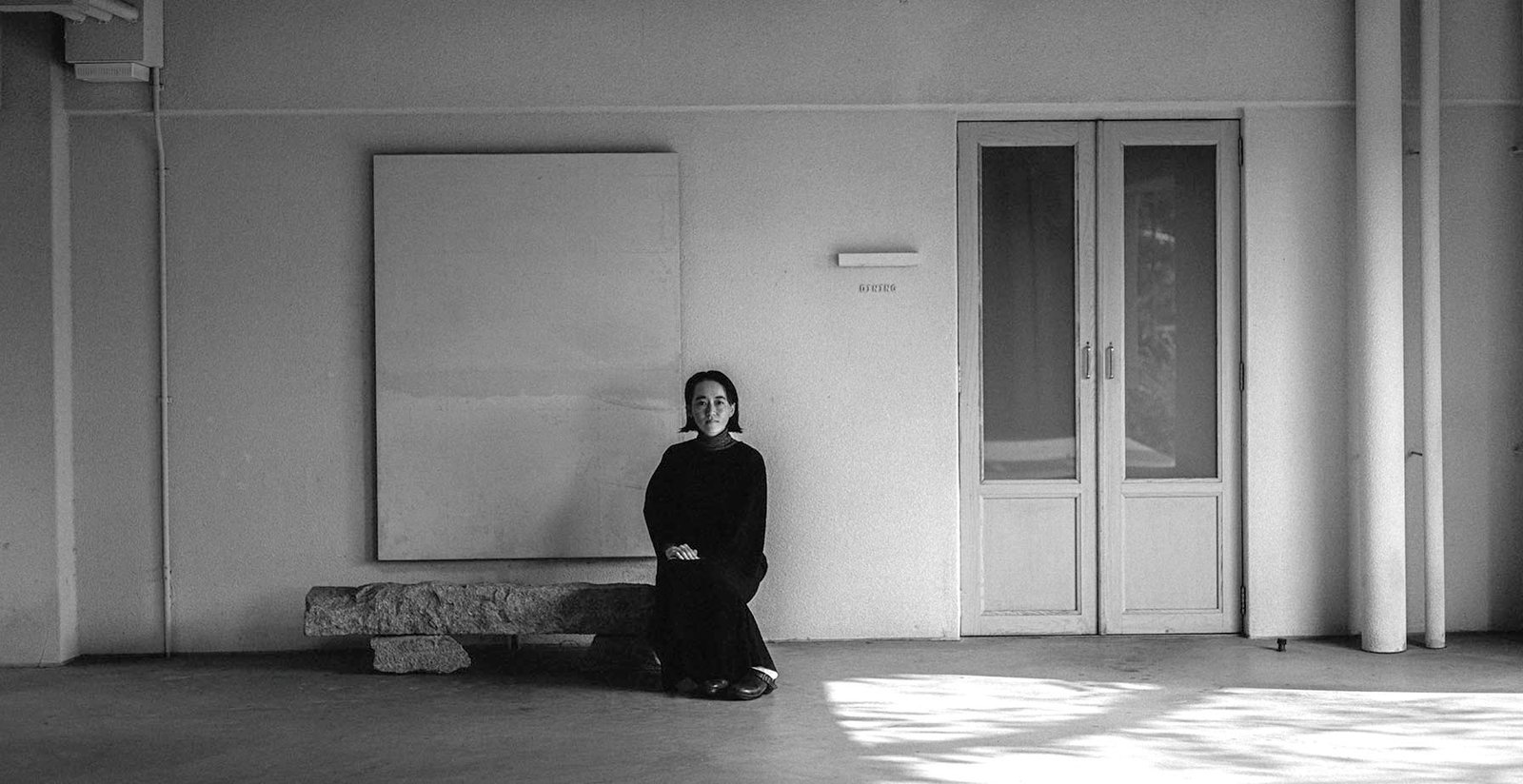
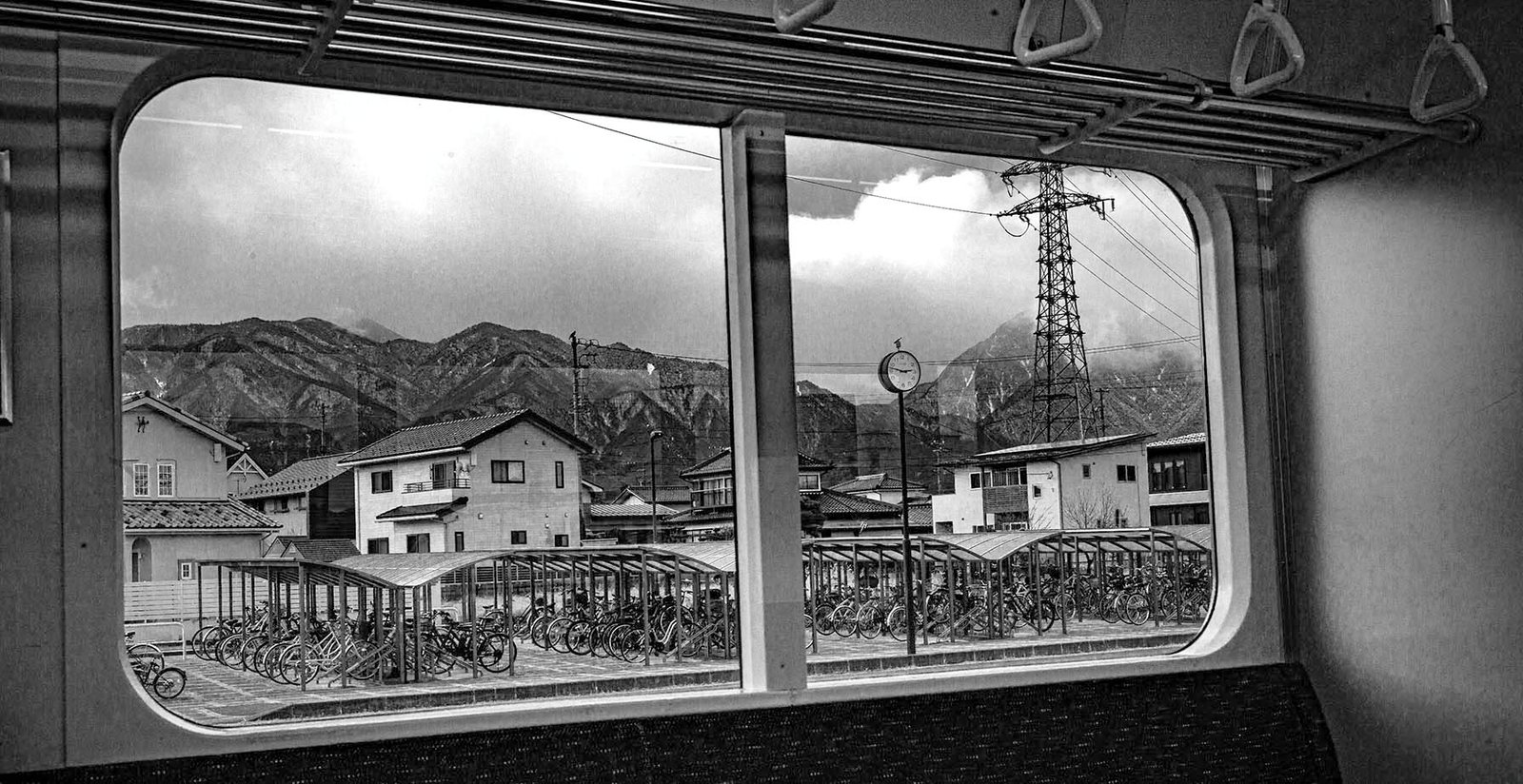
Some places we’ve been…
- Tokyo
- Nara
- Osaka
- Nagoya
- Kanazawa
- Hiroshima
- Nikko
- Naoshima
- Kurashiki
- Tsuwano
- Matsue
- Onomichi
- Miyajima
- Hagi
- Tomonoura
An act of calibration
Photography, like travel, becomes an act of calibration. Moving through a scene is not so different from navigating the tonal range of an image. We find ourselves constantly adjusting — opening or closing, allowing more light or holding it back — searching for balance while being drawn, instinctively, to the extremes.
Within this approach, the tools we choose are not neutral. Working with fully manual rangefinder cameras — our Leica M — is part of this same conceptual territory. The absence of automation demands a slower engagement, a deliberate negotiation with focus, exposure, and timing. Each frame becomes a conscious translation, an attempt to reconcile what is visible with what is felt. The camera does not anticipate; it listens. It requires us to remain present, to measure light as much as perception.
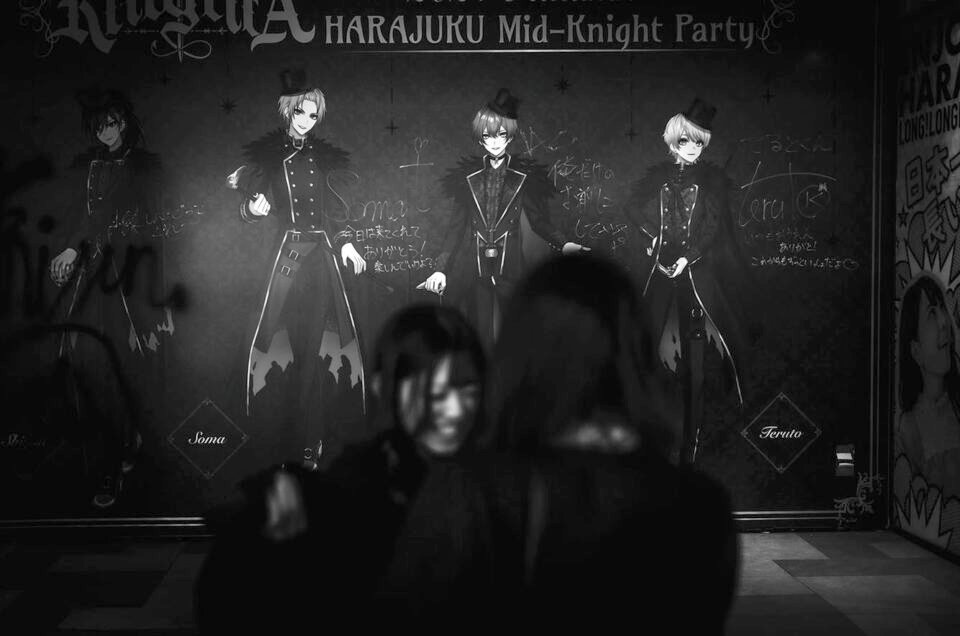
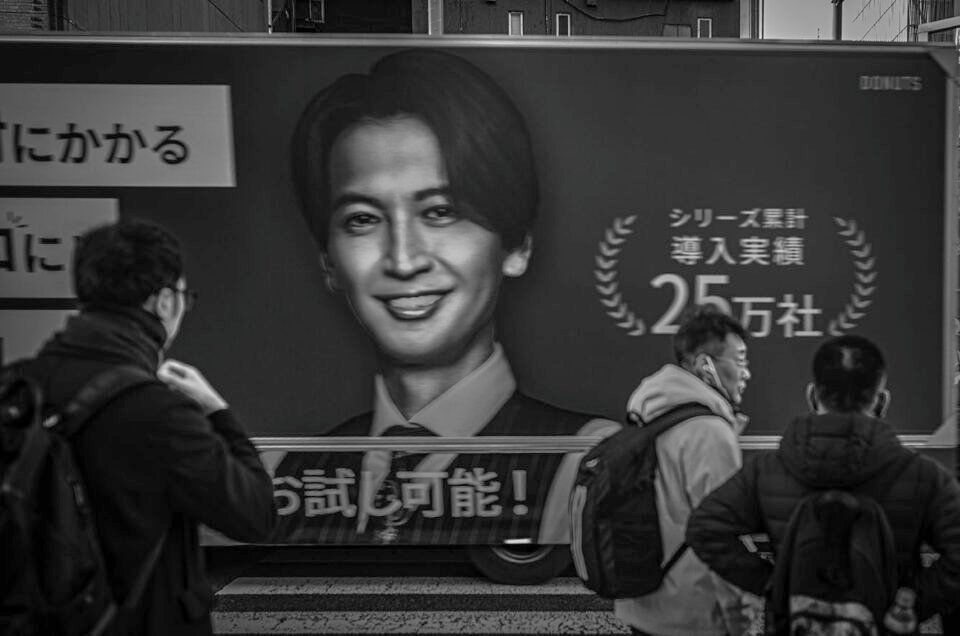
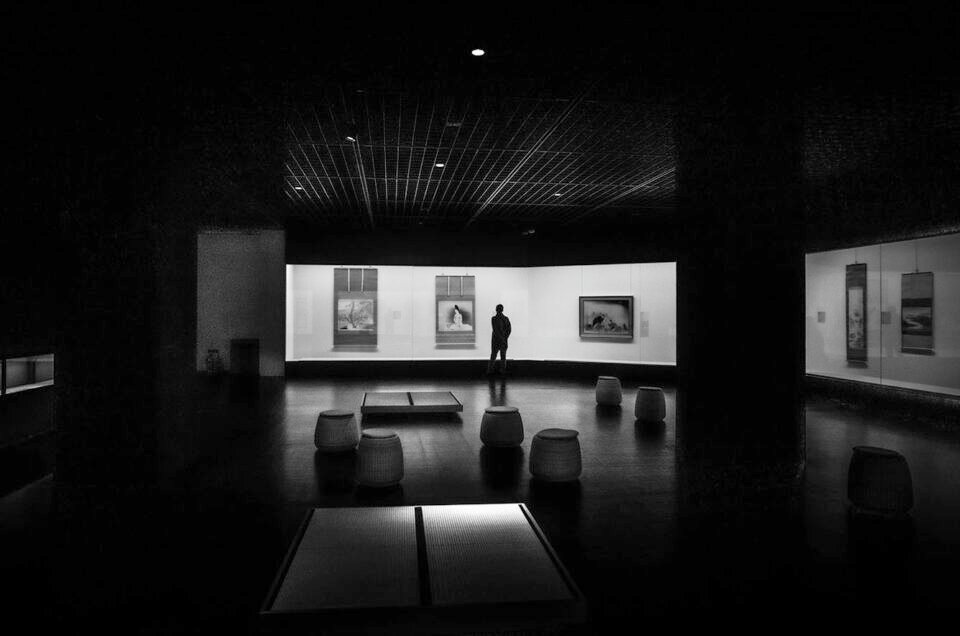
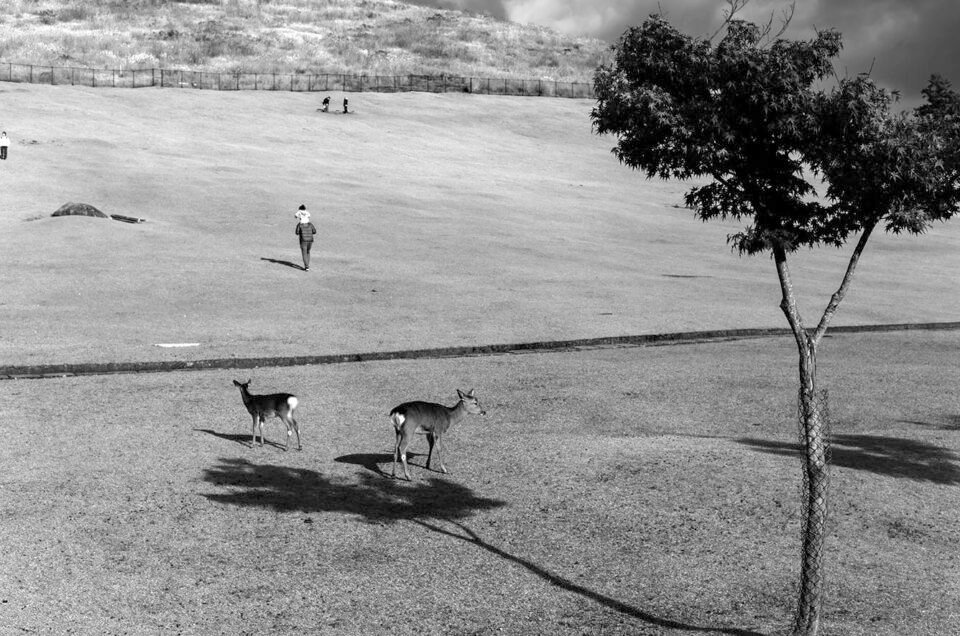
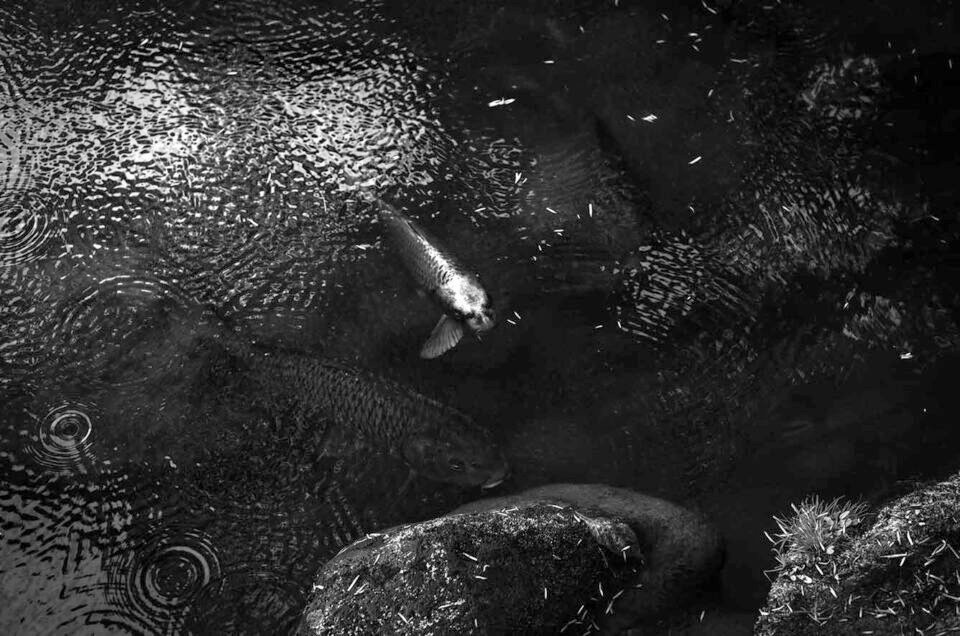
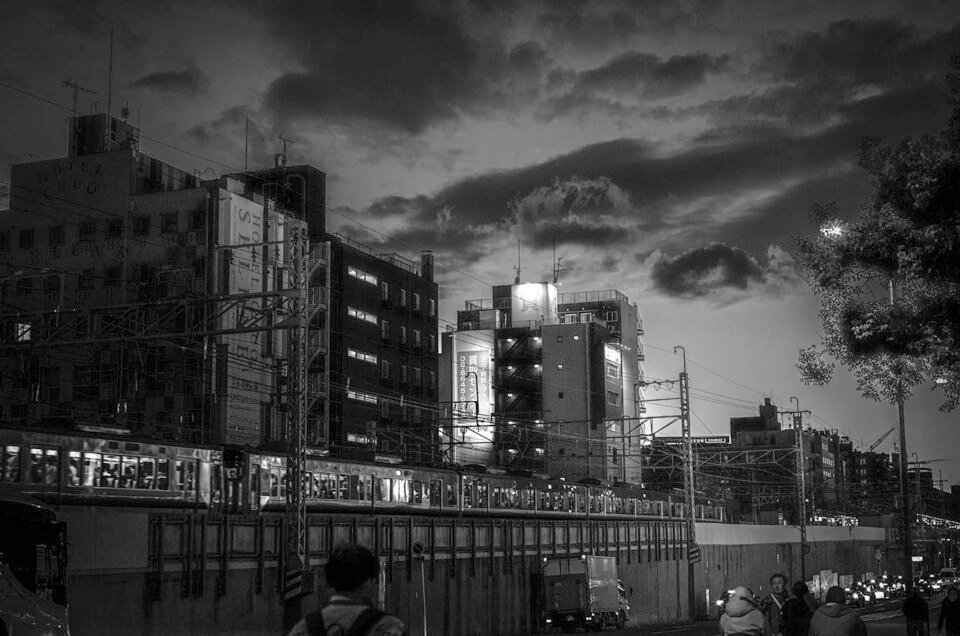
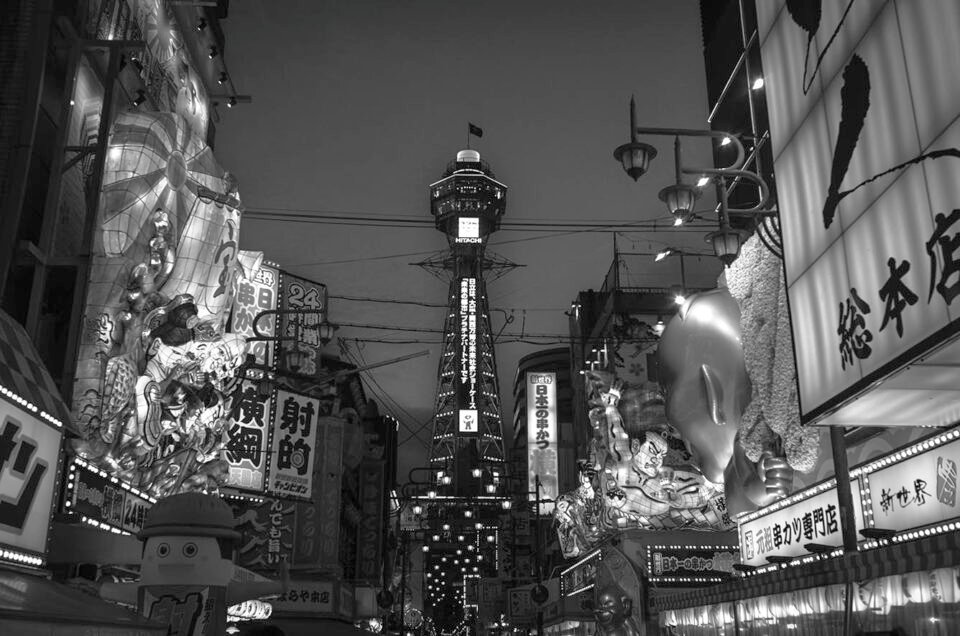
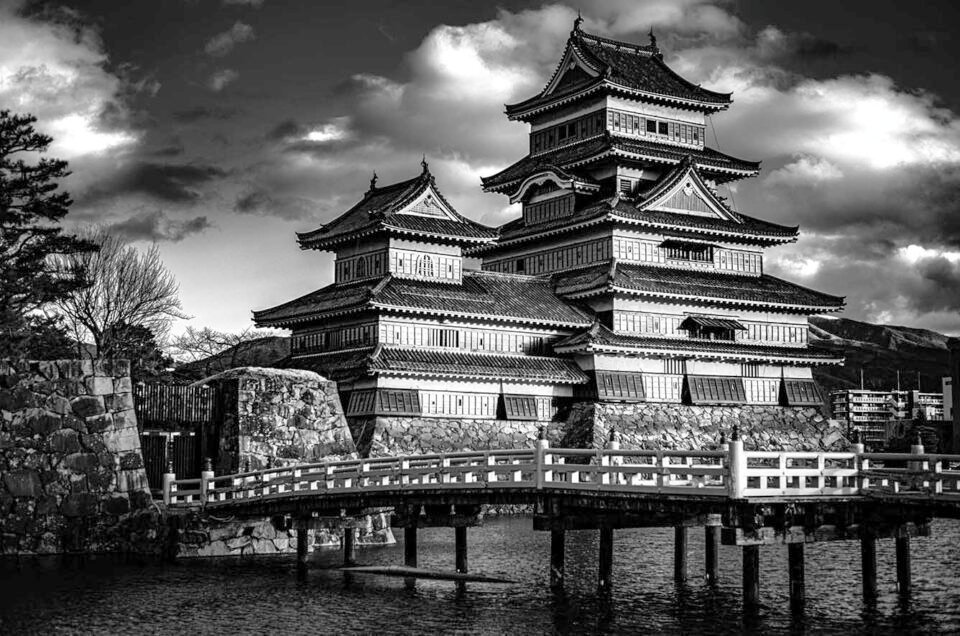
To travel without a fixed path is to remain exposed to these thresholds.
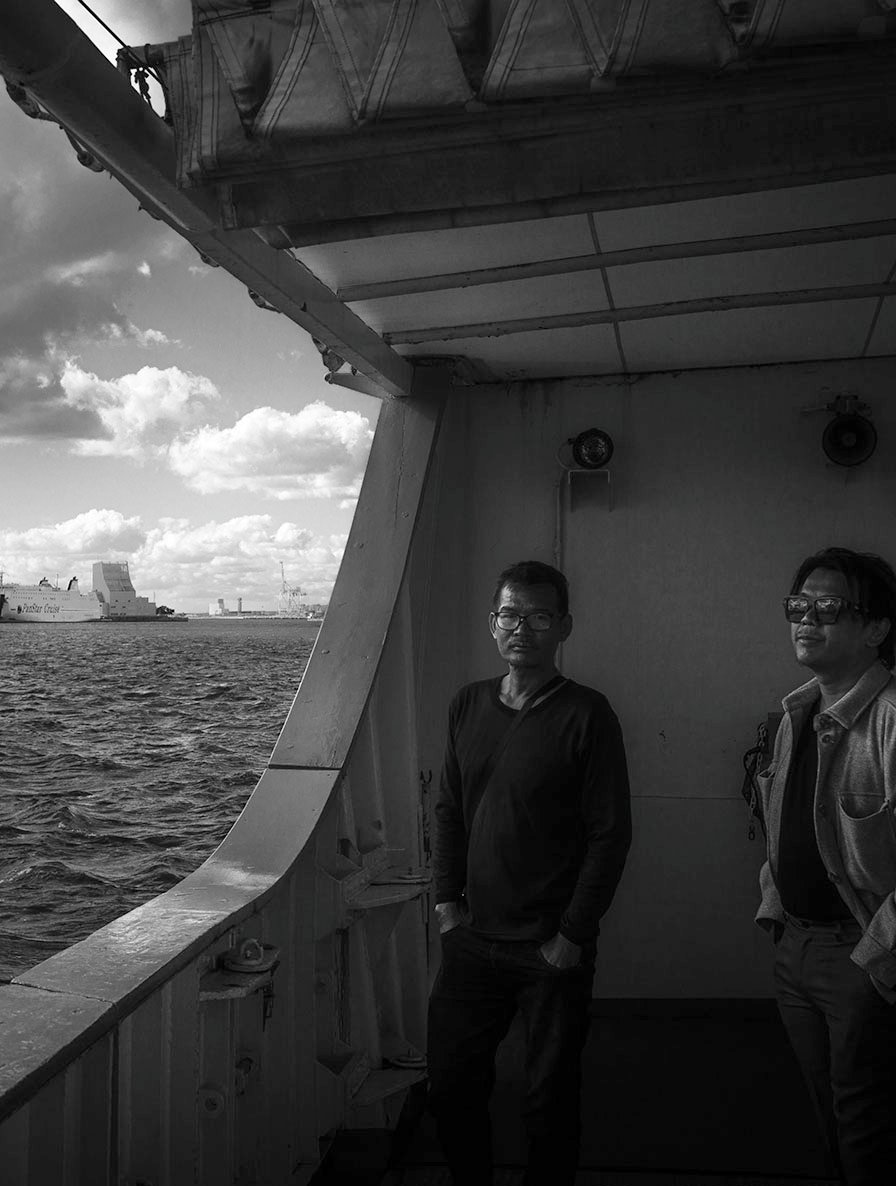
Osaka
Ferry to the Aquarium
In this sense, the journey echoes the logic of the Zone System: a continuous negotiation between presence and absence. Between what is held in deep shadow and what risks disappearing into brightness. The low key and the high key are not opposites, but territories to explore — edges where perception sharpens.
Improvisation as method
To travel without a fixed path is to remain exposed to these thresholds. To accept improvisation as method. To trust that meaning, like an image in the darkroom, will appear slowly — shaped by time, by attention, and by the subtle interplay between light and shadow. San’in, then, is not only a region we passed through. It is a way of moving, of seeing, of being in the world.