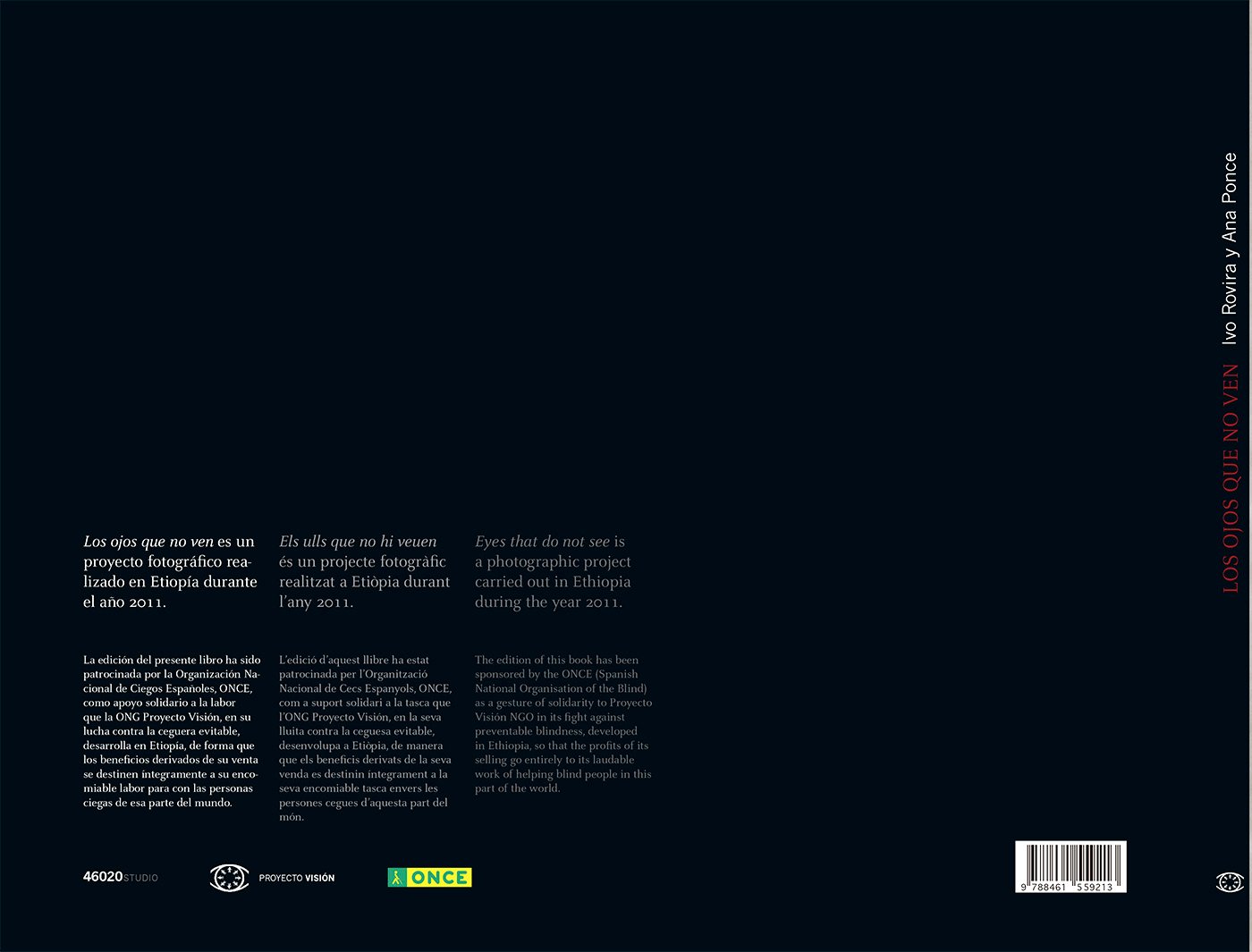


The book.
144 pages, 107 photographs. Spanish, English, and Catalan
“Los ojos que no ven” is a book created in collaboration with the NGO Proyecto Visión and sponsored by the Organización Nacional de Ciegos Españoles (ONCE).
It offers a perspective on reversible blindness in the northeastern region of Ethiopia. The book’s edition organizes the photographs into three sections: Gidela’s journey, The eyes of Tigray, and Snapshots of a country.
A collection of images revealing disease and its cure, the landscapes, and the people of Ethiopia, through portraits and a journey from north to south.
144 pages, 107 photographs. Text by the authors in Spanish, English, and Catalan.
Prologue.

This project is a journey through Ethiopia — its landscapes, its people, and the return of sight to one woman.
It tells the story of blindness and vision, of fragility and strength, of what it means to see — and to be seen.
Through words and images, Los ojos que no ven invites us to experience the dignity of a life lived with very little, and the hope that a simple medical intervention can bring.
It is a story of light, resilience, and the human capacity to endure.
Chapter I — Gidela’s journey


synopsis
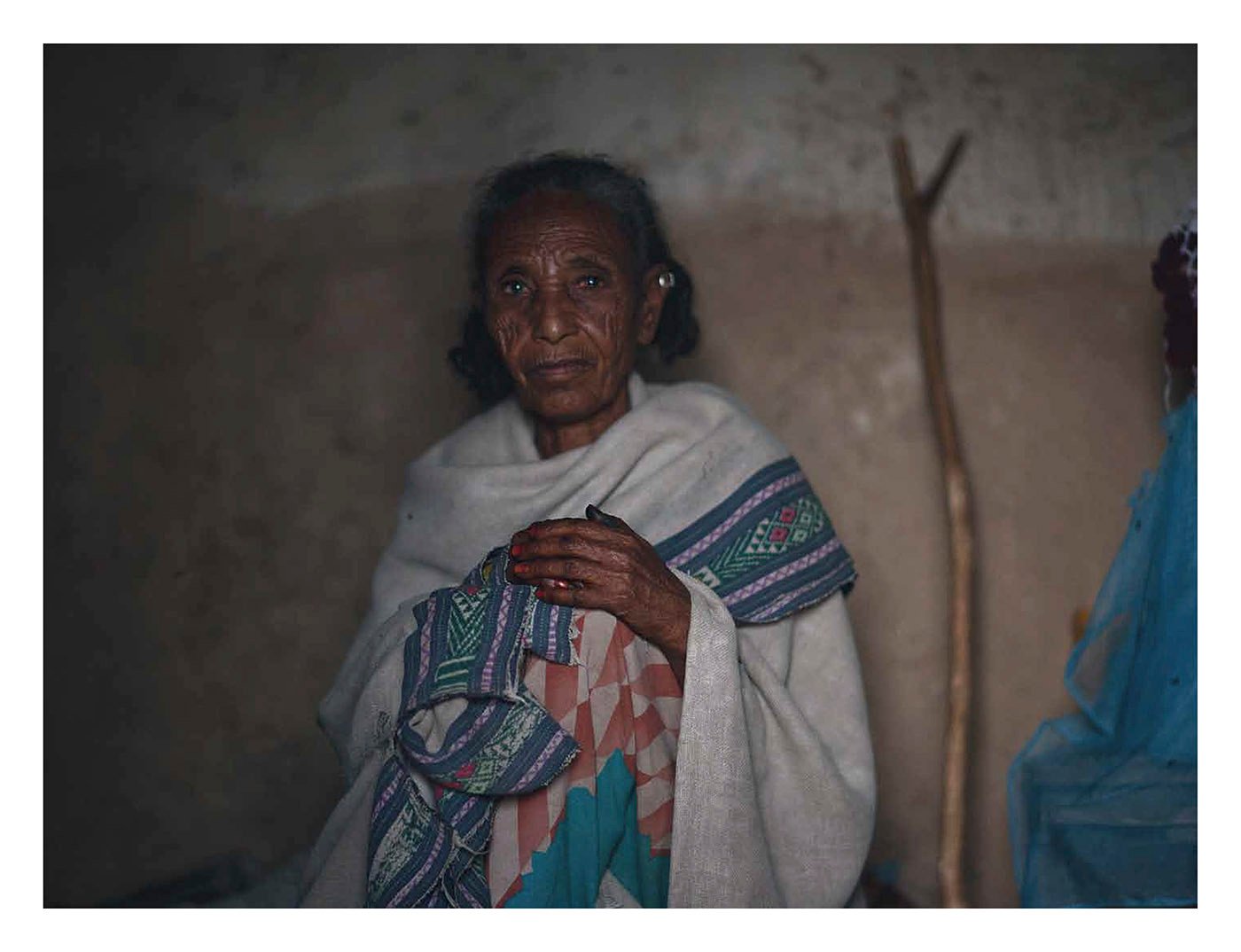
In a small village in Tigray, Gidela lives surrounded by darkness.
Cataracts have slowly clouded her vision for ten years, reducing her world to touch, sound, and memory.
One day, Birhanu, an Ethiopian medical assistant with Proyecto Visión, visits her home. He examines her eyes, assures her her blindness can be cured, and hands her a small pink slip — an appointment at the St. Louise Eye Clinic in Mekele.
That morning, she and her daughter share tea and bread before setting off on a long journey. The bus makes countless stops along muddy roads; the rain pours, slowing progress. Her daughter watches the passing landscape, imagining how her mother’s first look at the world might feel.
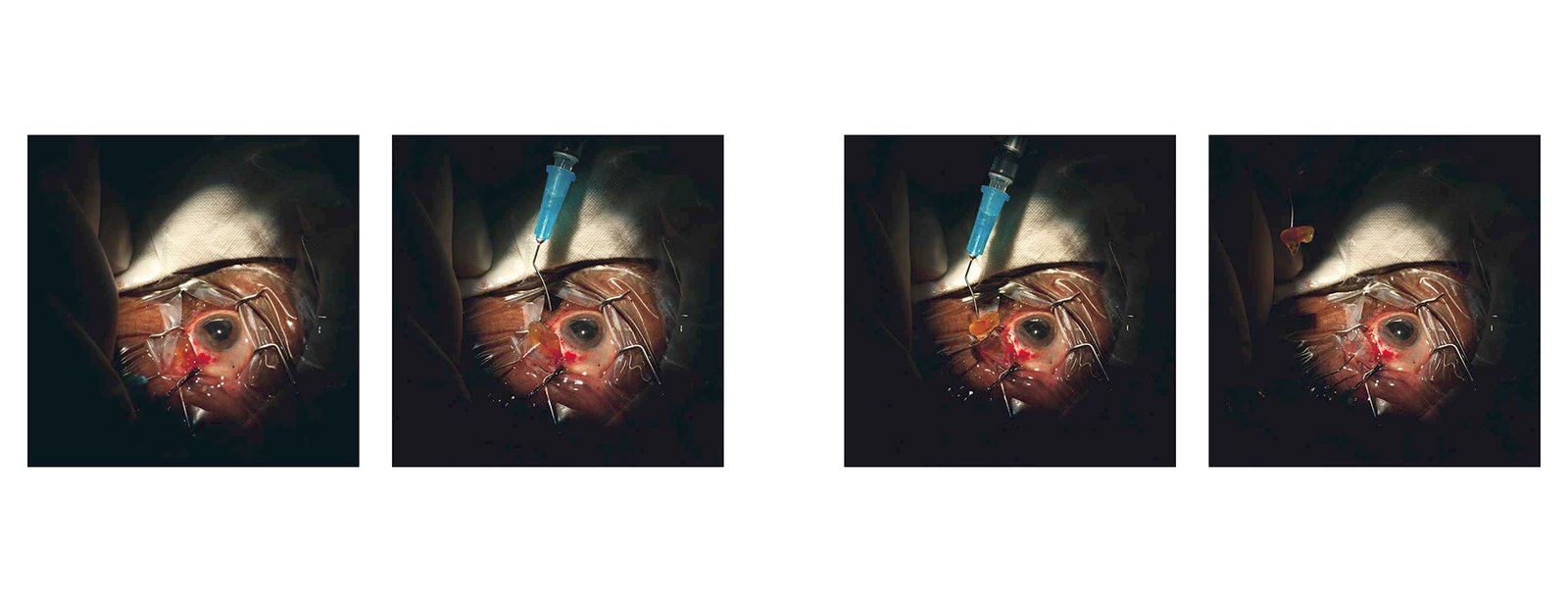
At the clinic, Gidela follows instructions in silence. She is dressed in a clean gown, washes her hands and feet, and a nurse places a cap on her head. Tests follow quickly: a finger clip for pressure, a gentle injection, a small balloon to distribute anesthetic. Then comes stillness.
Thirty minutes later, a kind voice tells her the surgery has succeeded. Her daughter waits outside, tears in her eyes. When the bandage is removed the next day, light enters her eyes for the first time in a decade. Shapes, colors, faces — the world returns.
Her gaze reflects wonder, gratitude, and the joy of being reborn into vision.
Chapter II —The eyes of Tigray
synopsis
Tigray is a land of rugged mountains, red soil, and distant villages clinging to rocky slopes.
Life here depends on water, on rain, and on endurance. Children and elders populate the roads, while many adults are absent — a generation lost to conflict and disease.
Blindness is more than a disease; it is a social and economic barrier. Losing sight means losing work, movement, independence.
Restoring vision is not only a medical act; it is the return of hope, autonomy, and life itself.
In this region, Proyecto Visión trains local Ophthalmic Medical Assistants to travel from village to village, examining patients with flashlights and magnifying lenses. Each diagnosis comes with a promise, each pink slip a ticket back into the world of light.
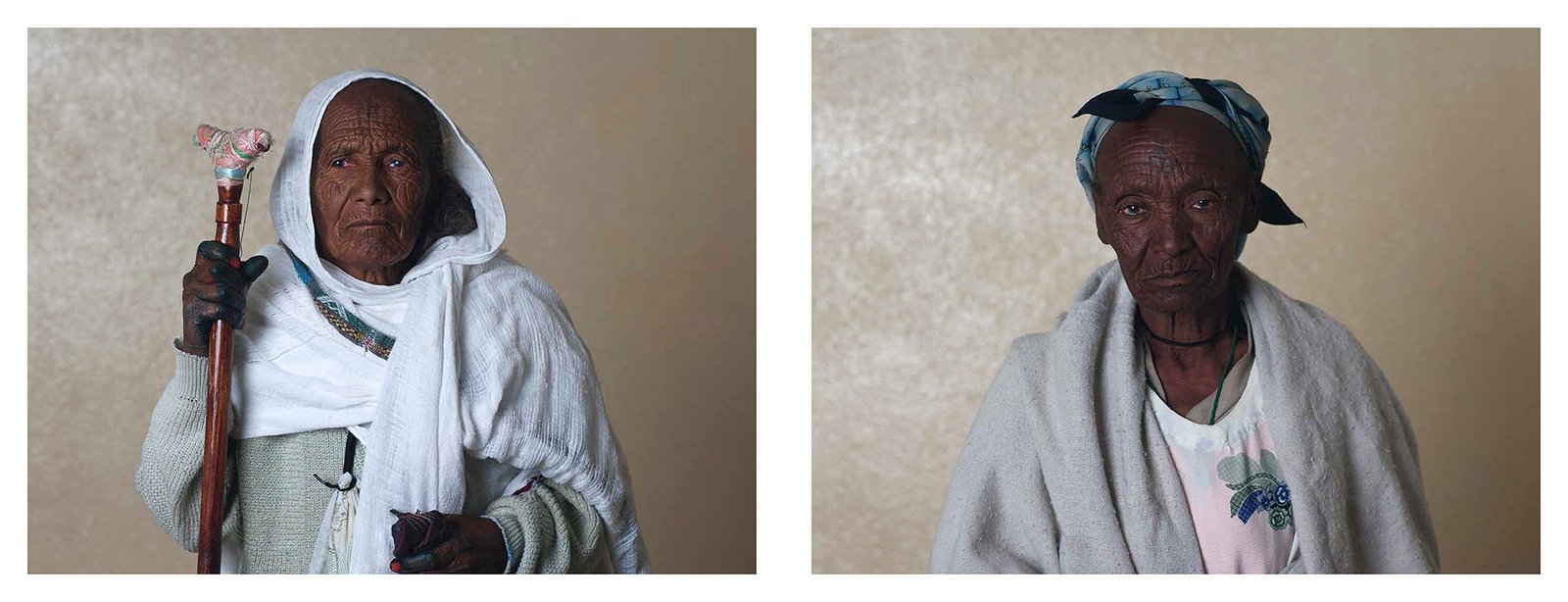
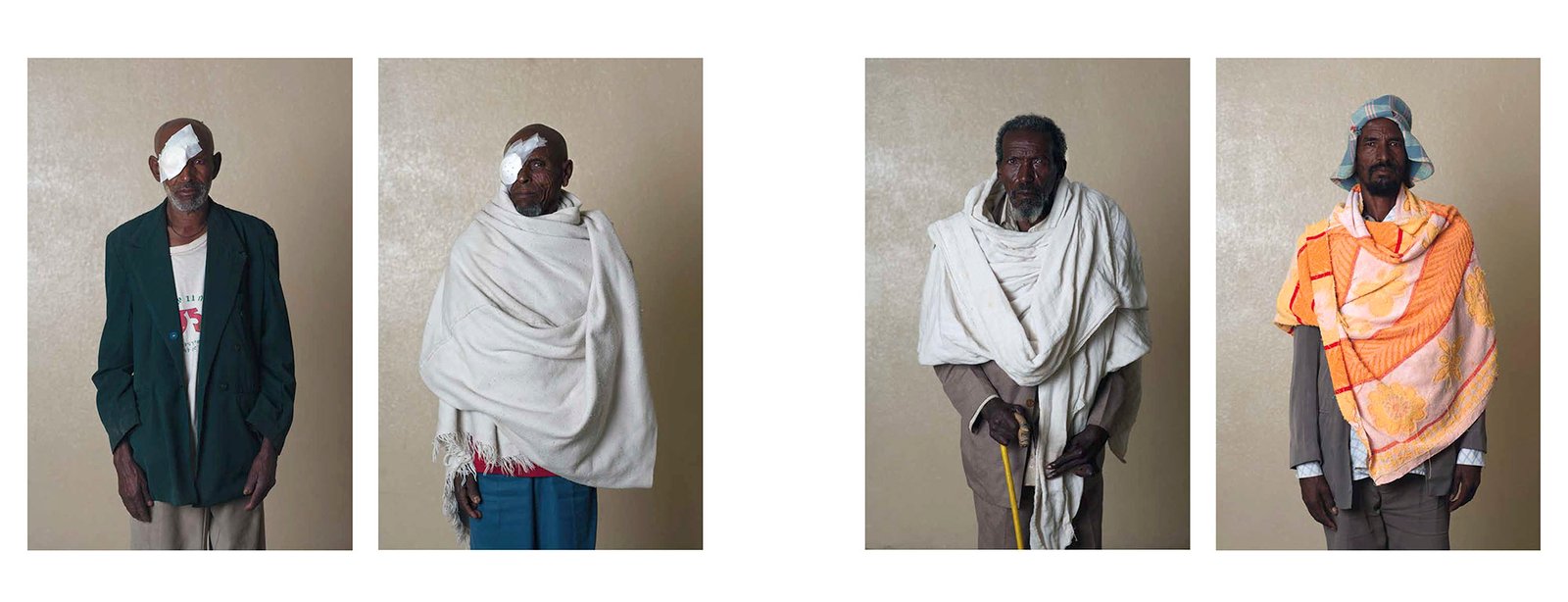
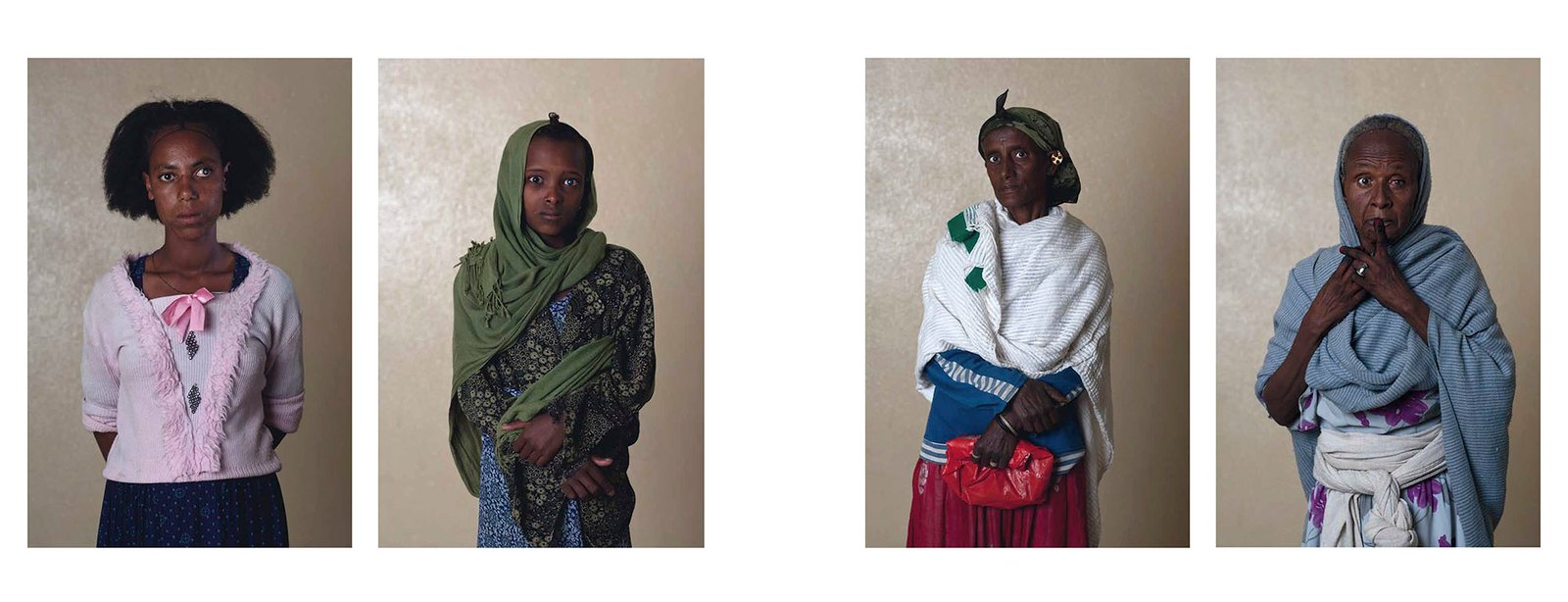
During our second visit to Mekele, we brought studio lights and cameras, transforming empty recovery rooms into a temporary studio.
Patients, relatives, and guides arrived from across Tigray, their faces, clothes, tattoos, and jewelry telling stories of culture, endurance, and faith.
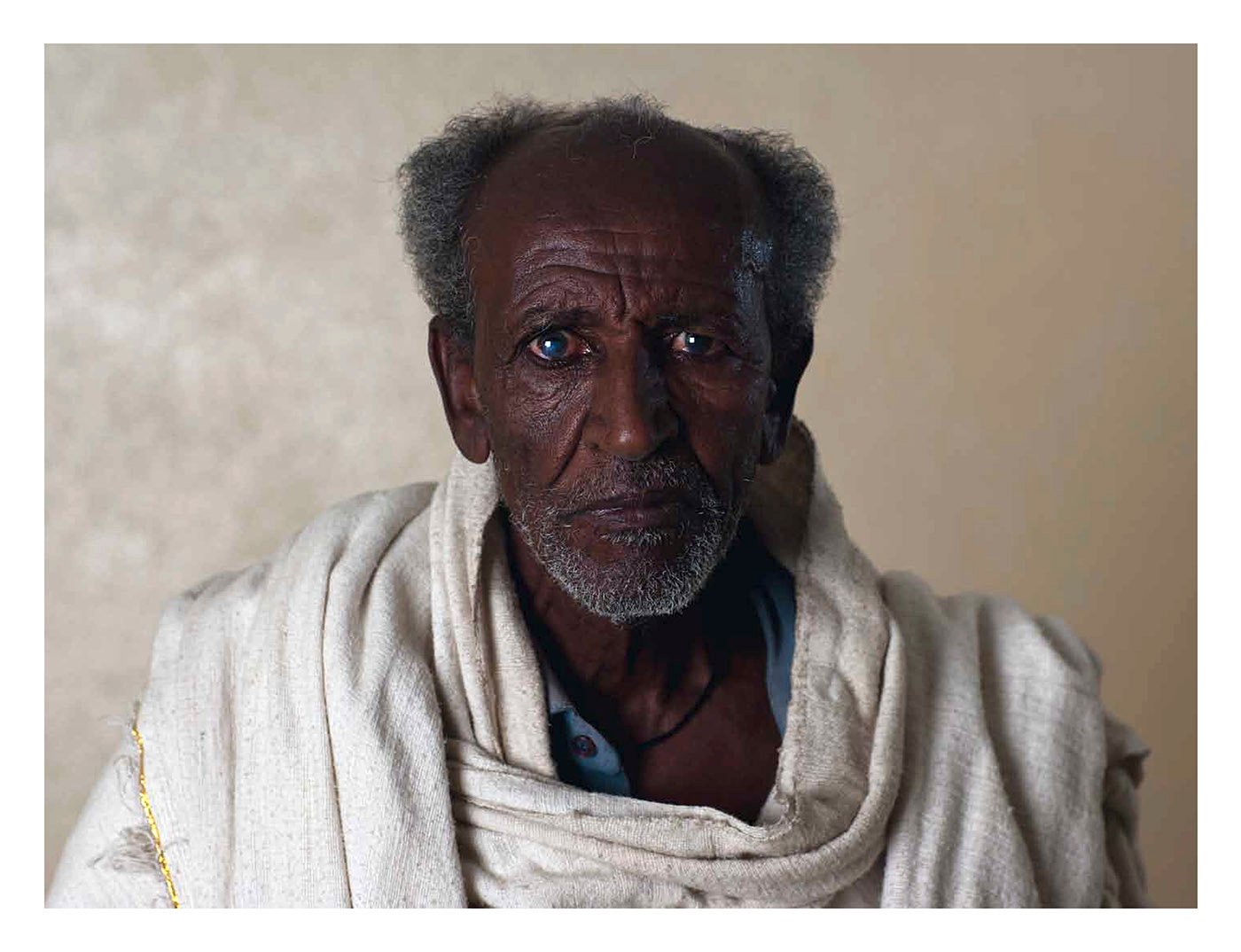
They had never been photographed before, yet they looked straight into the lens.
Their eyes reveal the consequences of cataracts, glaucoma, trachoma, injuries, and infections — and the resilience to overcome them.
Chapter III —Snapshots of a country.

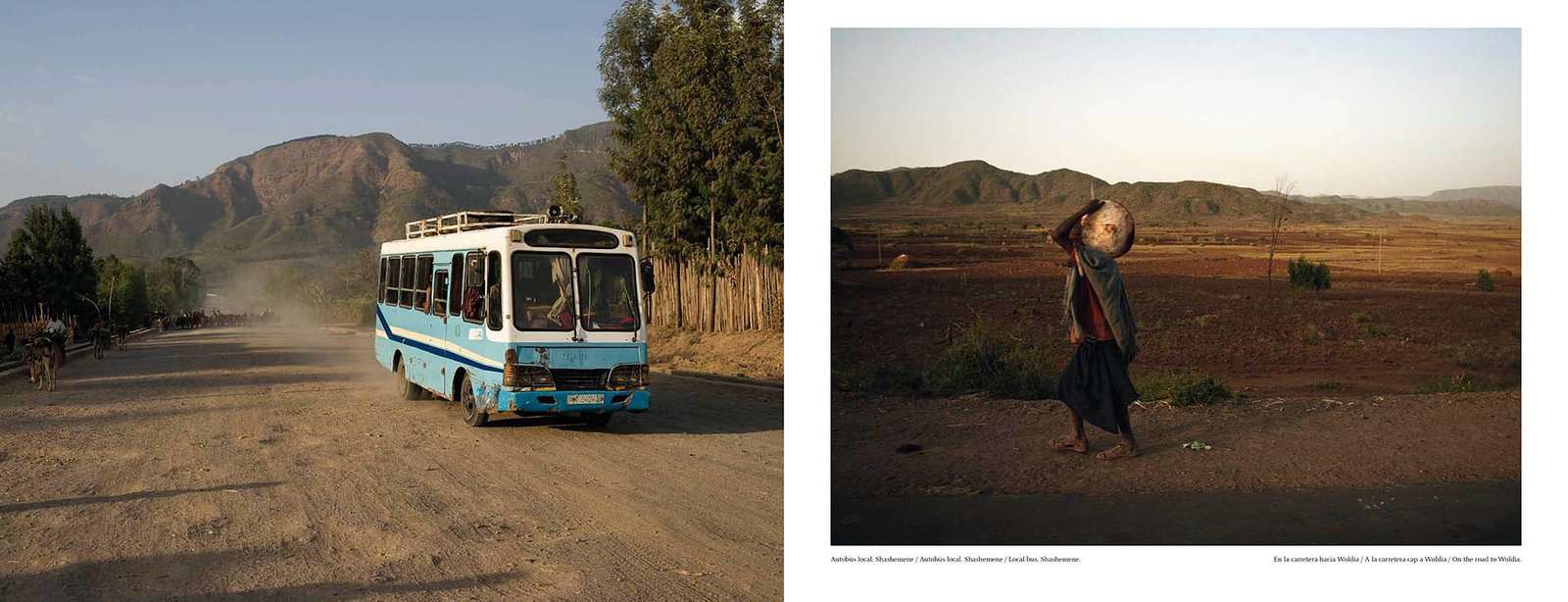
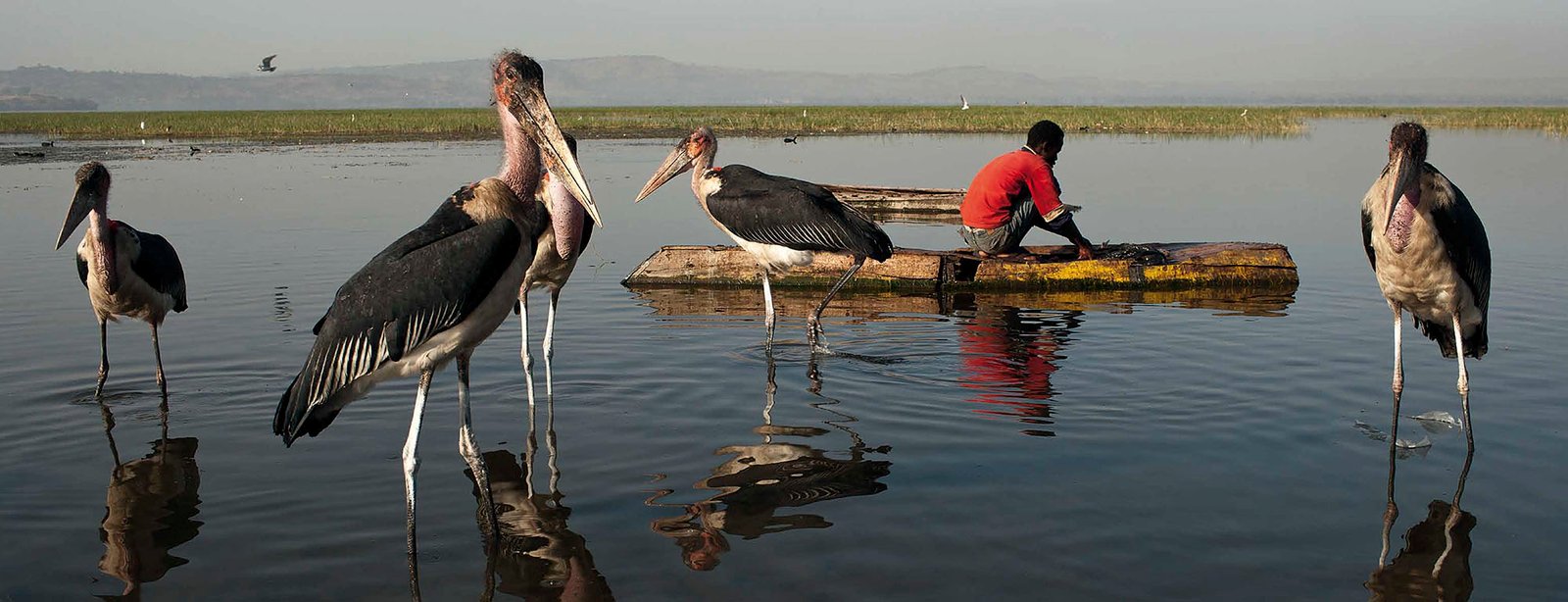

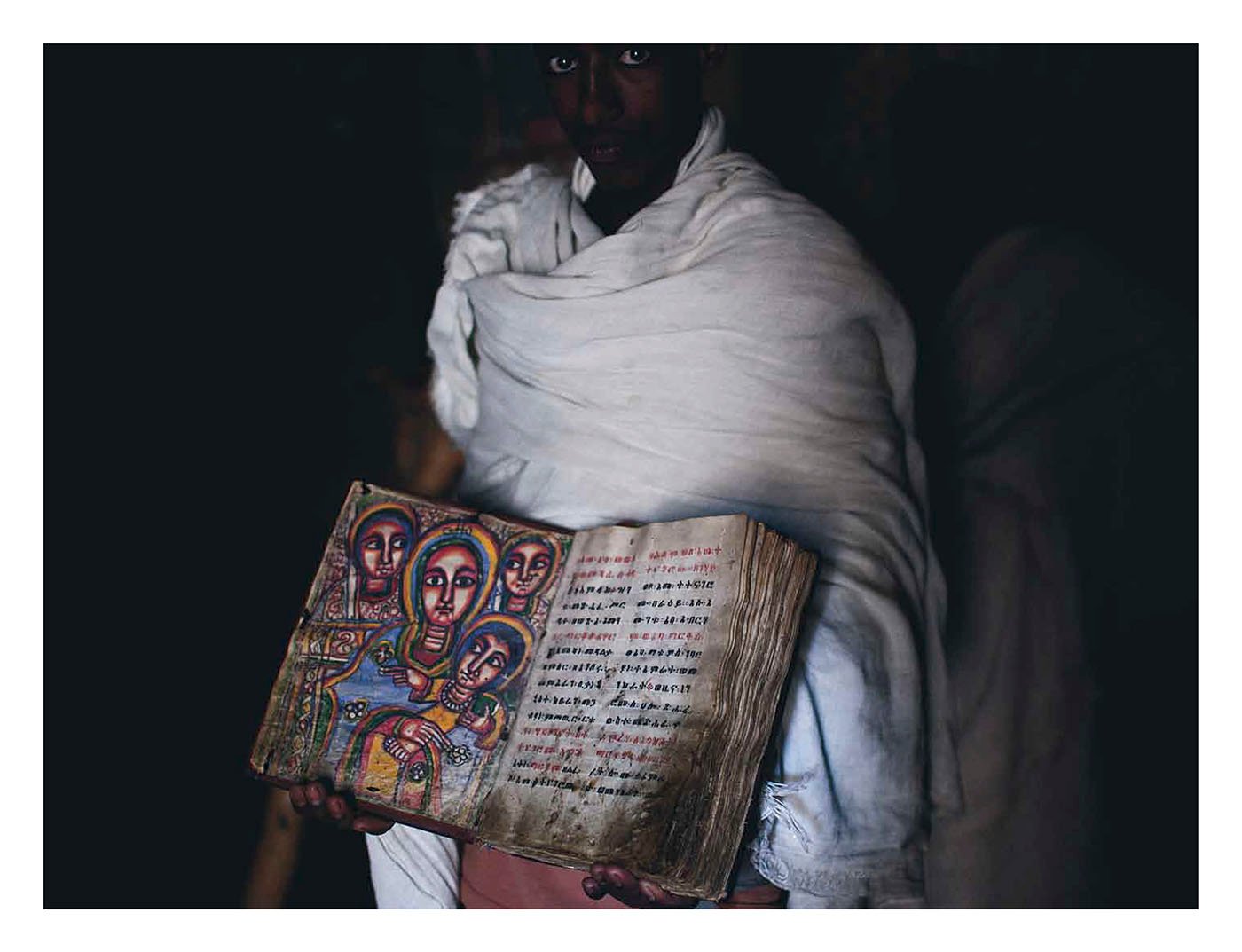
synopsis
Ethiopia, officially the Federal Democratic Republic of Ethiopia, is a land of contrasts and history.
The only African nation never colonized, it is a country of mountains, deserts, rivers, and valleys.
Its population of over eighty million relies largely on agriculture. Coffee, the country’s main export, sustains millions of lives, but drought, war, and poverty leave deep scars.
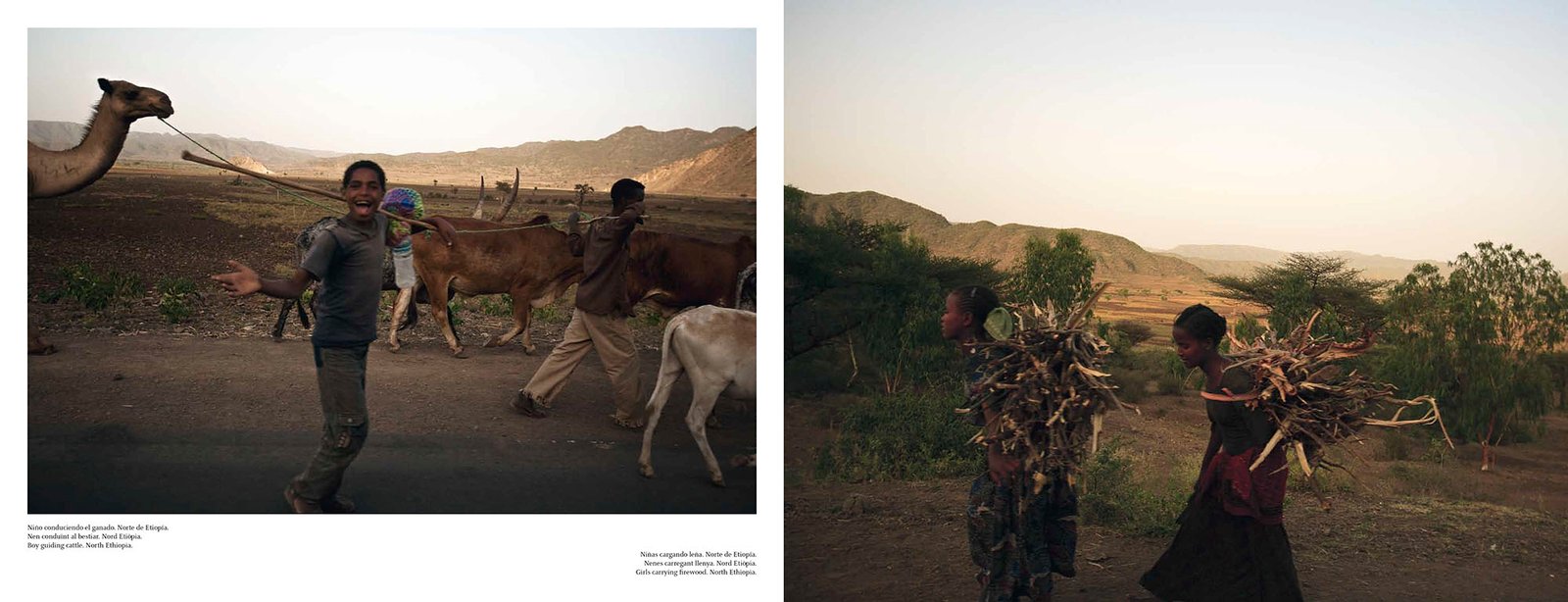
From the bustling streets of Addis Ababa to the remote villages of Tigray, Ethiopia’s people live with resilience and grace.
Women carry water over long distances; children study in schools under flickering sunlight; smoke rises from clay stoves as families prepare injera.
Every gesture, every glance, tells of survival, hope, and endurance.
Epilogue — The Fifth Protagonist
One blind person — a tragedy.
Ten blind — a disaster.
A million blind — a statistic.
Gidela’s story gives face and name to that statistic.
A simple cataract operation, costing only a few euros, restores her vision and changes her life.
Behind this work is Proyecto Visión, a team of Spanish ophthalmologists and volunteers who, since 1994, have fought avoidable blindness in northern Ethiopia.
They train local Ophthalmic Medical Assistants, like Birhanu Mekkonen, who travel to villages, seeking those trapped in darkness, handing out pink tickets that offer hope.
Through the lens of Ivo Rovira and Ana Ponce, this story becomes more than documentation: it is a protest against indifference and a tribute to human dignity.
The photographs capture not only the return of vision, but the rebirth of presence.
And then there is you — the fifth protagonist.
The one who watches, feels, and refuses to look away.
Dr. Jordi Loscos Arenas, Proyecto Visión.